Restore Your Smile With Dental Veneers
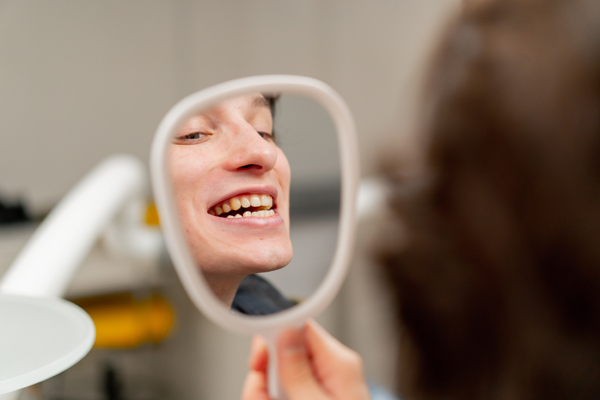
Dental veneers create a brighter, more uniform smile and often help correct cosmetic concerns that make teeth look uneven or worn. Many patients want improvements that look natural while still enhancing confidence in everyday settings. Veneers offer a versatile option for refining color, shape, and symmetry in some cases without extensive orthodontic treatment. A dentist can evaluate goals and recommend a veneer plan that fits the smile and facial features.
What dental veneers are and how they improve aesthetics
Dental veneers are thin shells that bond to the front surfaces of teeth to enhance appearance. They can improve the look of discoloration, minor chips, small gaps, and slightly misaligned teeth. Considering veneers cover only the visible surface, they deliver a focused cosmetic change while maintaining a natural tooth-like look. When designed with precision, a general, cosmetic, or family dentist delivers veneers that blend smoothly with surrounding teeth and support a balanced smile.
Many patients choose dental veneers because the results look polished without appearing artificial. Veneers can also create the appearance of more even tooth edges and consistent proportions. This type of enhancement often complements other cosmetic options, such as teeth whitening or gum contouring, depending on the treatment plan. A dentist helps determine which teeth benefit most to achieve a harmonious outcome.
Common concerns dental veneers can address
Cosmetic concerns vary from one patient to another, but veneers often address several issues at once. Stains that resist whitening, uneven tooth shapes, and minor surface defects can make a smile look less consistent. Small fractures and worn edges may also affect overall appearance, especially on front teeth. Veneers help create a smooth, uniform surface that reflects light more evenly.
Spacing concerns also lead many general, cosmetic, or family dentists to recommend veneers. Small gaps between teeth can be closed by adjusting the width and contour of the dental veneers, improving symmetry. Slight rotations or mild crowding sometimes become less noticeable when veneers reshape the visible tooth surfaces. A dentist evaluates bite and alignment to ensure that the veneers support both appearance and function.
What to expect during the dental veneers
The veneer process begins with a consultation that focuses on goals, oral health, and smile design. The general, cosmetic, or family dentist examines the teeth and gums to confirm they are healthy enough for veneers and discusses shade, shape, and overall expectations. They use digital imaging, photos, or diagnostic models to plan the final look with greater accuracy, ensuring the results match facial proportions and desired aesthetics.
In many cases, the dentist prepares the teeth by removing a small amount of enamel to create space for the veneers. They then use the aforementioned impressions or digital scans to create restorations that fit precisely and look natural. Once the veneers are ready, the dentist checks their fit and shade before bonding them securely to the teeth. After placement, small adjustments help refine bite comfort and ensure a smooth, natural feel.
Schedule a consultation
Dental veneers offer a refined, natural-looking solution for improving tooth color, shape, and symmetry. When carefully planned by a dentist, they can address multiple cosmetic concerns while enhancing comfort. If you are interested in learning more about this cosmetic treatment or scheduling a consultation, contact Miami Dental Group of Doral today.
Request an appointment here: https://www.doral.miamidentalgroup.com or call Miami Dental Group of Doral at (786) 672-1271 for an appointment in our Doral office.
Check out what others are saying about our dental services on Yelp: Dental Veneers and Dental Laminates in Doral, FL.
Related Posts
Experiencing a chipped tooth often causes sudden stress, but a quick treatment like dental bonding is a seamless way to repair the enamel instantly. This simple process rebuilds the lost structure without requiring extensive drilling or alteration. To learn if this option is right for your compromised tooth, schedule a consultation at our Doral office.Even…
Visiting your general dentist for a specific treatment can improve your oral health. The services that you need will depend on your assessment. Knowing the common services available will enable you to make informed decisions about the ones you will get. Here are the common services on offer at your general dentist’s clinic.A general dentist…
A dental filling can repair a tooth after decay and help prevent the cavity from getting larger. However, how long a filling can do its job depends on the material, the size and location of the cavity, daily habits, and routine dental care. Learning more about fillings can help yours last as long as possible.The…
As part of their mission to keep mouths healthy, a general dentist offers a variety of single-tooth replacement options. Even just missing one tooth can impact your oral health and the appearance of your smile. Single-tooth replacements may be the efficient solution to restore the appearance and functionality of your smile.Losing a single tooth can…